Address
304 North Cardinal St.
Dorchester Center, MA 02124
Work Hours
Monday to Friday: 7AM - 7PM
Weekend: 10AM - 5PM

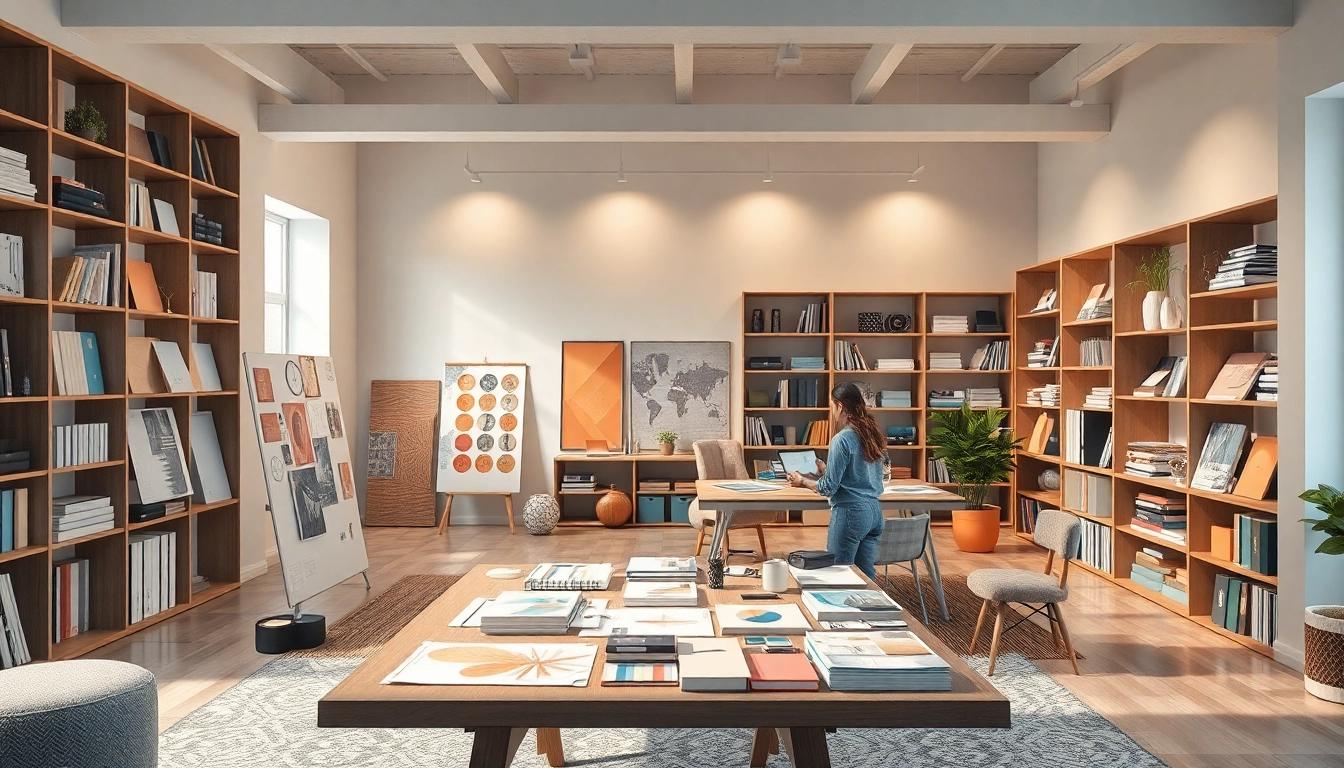
Discover how creative design in interior decoration is evolving with powerful SaaS tools and smart workflows—unlock the secrets top professionals use to impress clients and scale fast.
Imagine walking into a room that feels chaotic or dull. Instantly, your mood shifts. Now imagine stepping into a space that’s harmonious, exciting, or calming. That’s the power of creative design in interior decoration. It’s not just about aesthetics—it’s about the way a space makes someone feel and perform.
Creative design fundamentally changes how we engage with interior spaces. Whether it’s a cozy coffee shop or a modern office environment, interior design has psychological and functional effects:
In today’s crowded marketplace, too many interiors look alike. Many designers and businesses default to templates or Pinterest boards without tailoring spaces to clients’ unique needs. This often results in uninspired, forgettable spaces.
Effective creative design in interior decoration means daring to experiment while staying human-centered. Infusing storytelling into space, incorporating interactive elements, and tailoring designs to a client’s emotional needs lead to memorable, impactful outcomes.
Practical Tip: Ask clients to describe how they want to feel in a space before you discuss visuals. This emotion-first approach keeps your design centered on desired outcomes.
Creative design in interior decoration is your secret weapon to emotionally resonant, high-performing spaces. It sets you apart in a template-driven world and roots your work in authentic impact.
While creativity starts in the mind, it reaches its full potential with the right tools. For solopreneurs and agencies alike, cloud-based SaaS platforms have revolutionized how creative design in interior decoration is executed.
Many creatives juggle multiple programs—from sketch tools to client collaboration platforms—causing inefficiency and version control nightmares. Without centralized tools, teams miscommunicate, and solopreneurs waste critical hours.
Cloud-based solutions let you work remotely, collaborate in real time, and present ideas professionally—within hours, not days. You can iterate quickly, dramatically improving client satisfaction and allowing for rapid design prototyping.
Pro Tip: Choose tools based on your workflow stage—use Foyr for rendering, Airtable for project planning, and Canva for client presentations.
SaaS tools empower consistency, flexibility, and speed. They are essential allies in modern creative design in interior decoration—enabling you to transform concepts into stunning realities, fast.
One of the silent killers of creativity? Disorganized workflows. Solopreneurs and growing teams often hit a wall when trying to juggle client demands, supplier communications, and actual design work—all through scattered channels.
Your mood board’s in one app, renderings live somewhere else, and client feedback comes through untrackable email threads. This inefficiency not only wastes time but saps your energy, ultimately harming your creative design in interior decoration.
To reclaim your creativity and boost profitability, systematize how you work. Here’s how:
By building workflows that run themselves, you free up bandwidth to do the real creative work. Automation isn’t restrictive—it’s liberating. Even simple steps like auto-tagging client files or creating versioning systems save hours weekly.
Bonus Tip: Set recurring tasks and reminders for client check-ins to avoid project stalls and reinforce professionalism, especially when scaling.
Strong workflow systems are the backbone of sustainable, creative design in interior decoration. By aligning your tools and processes, you’ll spend less time juggling and more time designing—at a higher level, for happier clients.
Even the most brilliant design ideas can fall flat if clients can’t visualize them. The ability to communicate your vision visually is as crucial as the vision itself—especially in creative design in interior decoration.
Clients often have a hard time connecting 2D ideas or vague descriptions to real-world outcomes. This leads to pushback, increased revisions, and longer project timelines—that’s costly for both sides.
Root your visuals in a narrative: “Here’s how the space feels now, here’s how we’ll transform it, and here’s the look and mood you’ll live in.” Narratives sell vision better than specs alone.
If your client likes spreadsheets, add charts for material cost impact. If they’re creative, lead with visuals. Meeting them where they are increases buy-in and speeds decision-making.
Communicating a strong visual story is key to making your creative design in interior decoration resonate. It accelerates client decisions and ensures your creativity is seen, felt, and approved.
Most designers start out driven by creativity—not a desire to run spreadsheets or balance hiring decisions. But as your reputation grows, so does workload. Scaling without smart systems leads to burnout or worse—declining quality.
Handling everything from lead capture to invoicing to client feedback by hand makes it nearly impossible to scale your creative design in interior decoration business efficiently. Missed follow-ups, lead leaks, or late invoices affect your bottom line and brand.
Leverage systems that handle the business side so you can focus on design.
Smart tech scales your effort— but growing sustainably still involves people. Use VAs, freelancers, or subcontractors to complement your workflow, managed through Asana or ClickUp for seamless collaboration.
Pro Tip: Document every process—from how you name client folders to your hand-off checklist for renderings. This lets you onboard help faster and ensure quality assurance as you grow.
You don’t have to choose between artistry and entrepreneurship. Embracing technology allows your creative design in interior decoration to flourish while building a scalable, sustainable business built to last.
Bringing spaces to life with purpose and personality lies at the heart of effective creative design in interior decoration. But talent alone won’t take your projects—or your business—to the next level. By leveraging technology, streamlining your processes, and mastering client engagement strategies, you unlock a world where your creativity drives value, not chaos.
From smart SaaS platforms to intelligent workflows and immersive storytelling, the tools and tactics we explored are more than just game-changers—they’re force multipliers. Whether you’re a solopreneur crafting boutique experiences or a scaling agency aiming for operational growth, these tips will empower you to deliver more impact with less stress.
The future of interior design is not just beautiful—it’s system-driven, strategic, and deeply personal. Don’t just design differently—design smarter. Your next big breakthrough is one powerful workflow shift away.
