Address
304 North Cardinal St.
Dorchester Center, MA 02124
Work Hours
Monday to Friday: 7AM - 7PM
Weekend: 10AM - 5PM

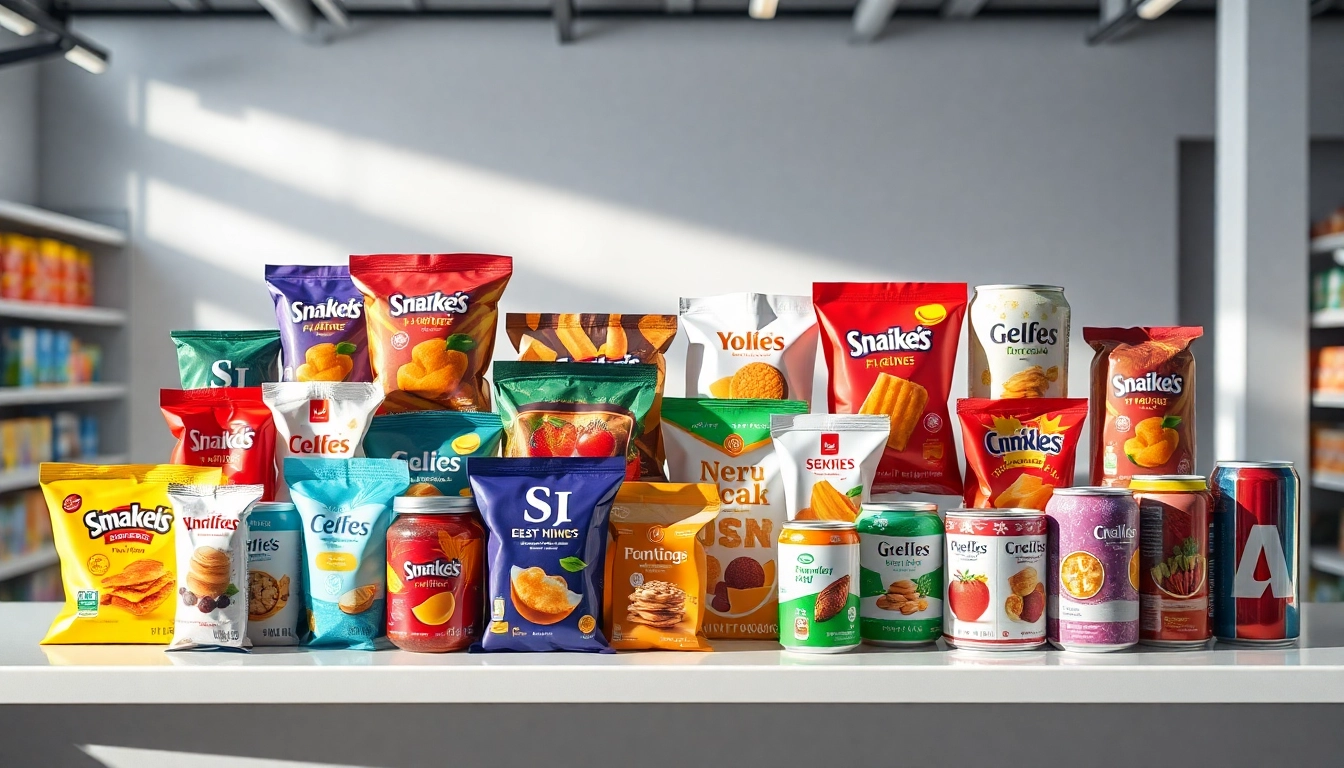
Effective packaging design for food products can make or break a sale. Learn how innovative strategies and SaaS tools can help your brand stand out in a crowded market.
In a crowded marketplace, your product often has just one chance to make a great first impression—through its packaging. Packaging design for food products is far more than aesthetics; it’s a strategic tool that communicates your brand story, values, and quality to consumers in seconds.
Consumers make quick decisions based on limited information. Studies show that over 70% of purchase decisions are made at the point of sale, and an appealing package can significantly sway the outcome. Shoppers often use visual cues, like color and typography, to infer the taste and quality of the food inside before they ever open it.
Great packaging doesn’t just present—it persuades. It triggers emotions like nostalgia, happiness, or indulgence. That connection turns first-time buyers into loyal customers. For solopreneurs and smaller businesses without big advertising budgets, packaging design becomes a powerful way to convey brand identity affordably and effectively.
Good design also doubles as a marketing platform. With clever use of storytelling, QR codes, or social media icons, food packaging can guide consumers into a broader digital experience—driving engagement, reviews, and repeat purchases.
Summary: If you want to win trust and trigger impulse buys, prioritize packaging design for food products. Design isn’t fluff; it’s strategic leverage. High-performing packaging builds visibility, credibility, and connection the moment a consumer sees your product.
You can’t guess your way to sales; high-converting packaging design for food products is rooted in psychology, clarity, and consistency. Here’s what consistently makes customers say “yes” at the shelf.
Your customer’s attention span is short. Use bold colors, striking contrasts, and a clear focal point (like your product name or hero image) to draw the eye. Keep secondary information like ingredients or nutritional data readable but subtle.
Make sure your logo, typography, and brand voice are consistent with your other marketing channels. For food products, especially artisanal or health-focused ones, clarity and sincerity trump flashy gimmicks.
These attention-grabbing phrases need to hit the consumer within a second. Design your layout to naturally guide the eye to this information early.
Great design isn’t just beautiful—it should protect the product and make it easy to use. Resealable pouches, see-through windows, and stackable shapes influence how often a consumer repurchases your item.
Over 60% of consumers now consider environmental impact in their buying decisions. Combine clean design with recyclable or compostable packaging to appeal to eco-conscious buyers.
Quick Tip: Always test packaging with real customers before scaling. A/B test your packaging design for food products using mockups or 3D renderings in real-world shopping environments—or even digitally through social media engagement tests.
Summary: An effective food package blends branding, function, and form. Focus on clarity, benefit-driven messaging, and emotional appeal to increase shelf conversion and long-term brand loyalty.
Design doesn’t have to be outsourced or complex anymore. With modern SaaS tools, even solo entrepreneurs or small marketing teams can create stunning packaging design for food products that rivals big-brand quality—without hiring expensive agencies or designers.
These platforms allow you to manipulate fonts, upload logos, and instantly test variations—all in a drag-and-drop format.
This is incredibly valuable for early presentations to investors, clients, or online buyers before printing actual samples.
Integration Tip: Choose SaaS tools that can export your project in print-ready formats compatible with your packaging supplier.
Summary: From ideation to delivery, you can manage the entire packaging lifecycle using SaaS tools without being a design pro. These tools democratize creativity—now you can control every detail of your packaging design for food products with speed, affordability, and confidence.
Getting packaging design for food products wrong doesn’t just cost you sales—it can destroy trust and invite regulatory issues. Here’s what to watch for and how to course-correct before problems arise.
Too much text, too many colors, or confusing visuals dilute your message. Simplicity sells. Give your key benefits room to shine with spacious layouts and limited color palettes.
Solution: Use a visual hierarchy. Design your layout so that brand name, product type, and primary benefits lead the eye in a logical path.
Putting a huge picture of blueberries on the front when the product contains only artificial flavoring can damage customer trust and even invite lawsuits.
Solution: Always follow local labeling laws. Stick to honest representations, especially for health-related claims.
If your product sells online, how it looks when opened matters. A weak or unattractive unboxing experience can generate negative impressions and hurt word-of-mouth marketing.
Solution: Use inserts, branded tissue paper, or QR codes in your packaging to elevate customer experience and align with your brand.
Small, script-style fonts or low-contrast colors can make important details unreadable—especially for older consumers or those with visual impairments.
Solution: Test color contrast and font sizes using tools like WebAIM or Adobe Color. Prioritize legibility, always.
Skipping physical or digital prototypes is risky. What looks great on-screen may not translate well into real-life packaging.
Solution: Use SaaS mockup tools and user surveys to get real feedback before mass production.
Summary: Avoid the temptation to over-design or cut corners. Many solopreneurs fall into these traps, costing them traction. Mastering thoughtful, user-centered packaging design for food products keeps your brand professional, compliant, and valuable to your customers.
The world of packaging design for food products is evolving rapidly, and keeping up with emerging trends can position your brand as cutting-edge and credible. Understanding where things are headed helps you stay ahead of the consumer curve.
QR codes are just the beginning. Future-forward packaging incorporates NFC chips or AR experiences. This unlocks storytelling, traceability (great for farm-to-table products), and engagement directly from the package.
Expect to see food brands tailoring packaging by region, season, or even individual buyers through print-on-demand tech driven by AI. Packaging becomes more like a billboard addressed directly to its target buyer.
Consumers are drawn to honesty and clarity. Clear windows showing the actual product, minimal color palettes, and simple iconography are dominating the scene. The shift aligns with values of wellness and conscious consumption.
Reusable, biodegradable, and compostable materials are no longer niche. Innovations include mushroom-based trays, sugarcane fiber containers, and water-based inks—all shaping how sustainable packaging design for food products becomes the global standard.
Brands can now create digital replicas of their packaging for virtual stores, augmented reality displays, and e-commerce platforms. This dual presence extends visibility and gives solopreneurs new sales channels without increasing costs drastically.
Summary: The future is smart, sustainable, and simple. To stay competitive, embrace these trends early. Align your packaging design with upcoming innovations to not only enhance appeal but also build future resilience for your food business.
Packaging is no longer just a container—it’s your silent salesperson, trusted brand rep, and customer magnet on the shelf. As we’ve explored, mastering packaging design for food products can drastically impact your sales, brand perception, and long-term customer loyalty. From understanding its emotional value to leveraging SaaS tools and keeping pace with trends, every step in the design process offers a new opportunity to rise above the competition.
Now is the time to rethink and reinvest in your food packaging. Whether you’re launching a new product or upgrading an existing one, make design your secret weapon. Because the next time a customer walks past a crowded shelf or scrolls an online store, it’ll be the package—not the product—that reaches them first.
Design not to impress, but to connect and convert. That’s where real momentum begins.
