Address
304 North Cardinal St.
Dorchester Center, MA 02124
Work Hours
Monday to Friday: 7AM - 7PM
Weekend: 10AM - 5PM

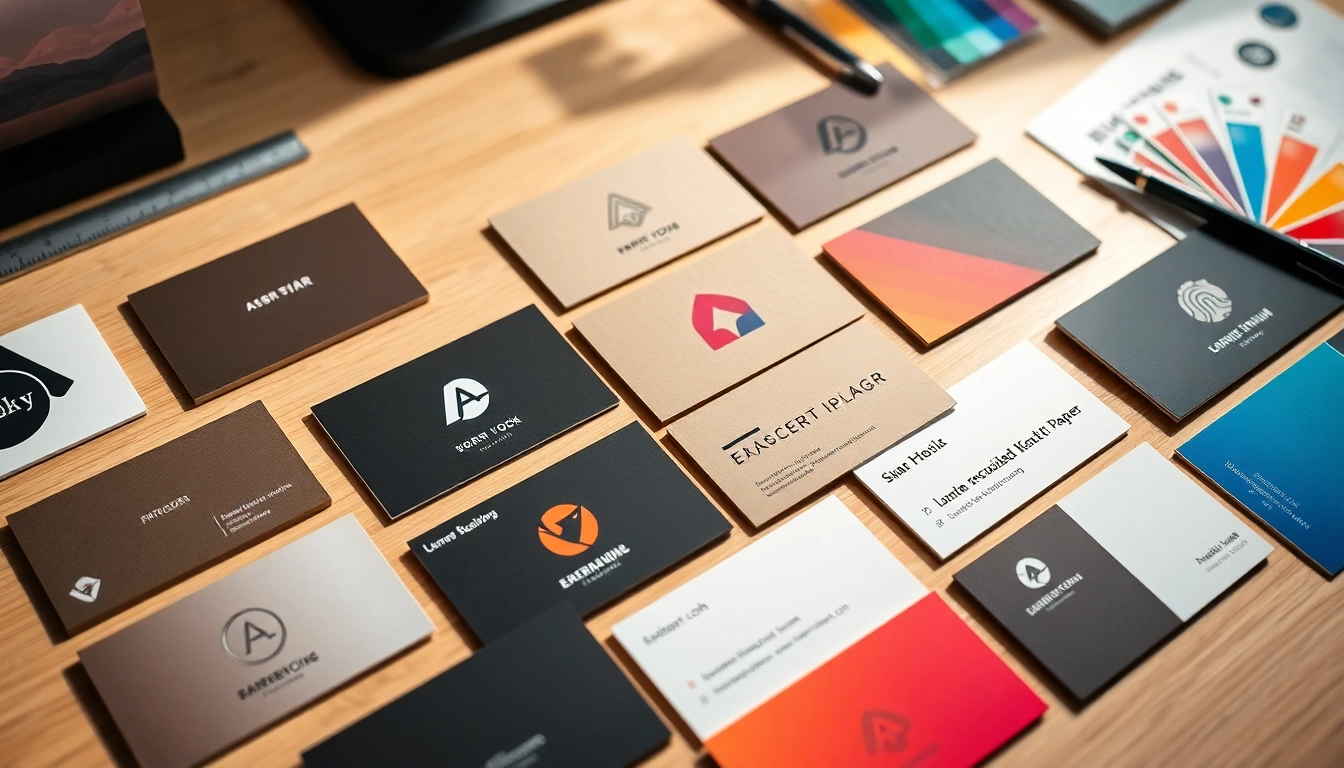
Discover 9 innovative design concepts for business cards that help solopreneurs and growing brands make a lasting impression while aligning with modern design trends and smart SaaS tools.
We live in a hyper-digital age, where networking often happens with a click and follow. Some might assume business cards are obsolete—but that couldn’t be further from the truth.
Often, new founders and freelancers underestimate their business cards. They either overdesign it or use free templates, missing the chance to communicate authority.
Your business card should not only have your name and contact—it should reflect your values, niche, or culture. If you’re an edgy marketing consultant with bold branding, don’t hand out a weak, corporate-looking card.
Study after study shows that physically interacting with an object creates stronger memory retention. That means a well-designed card can boost brand recall better than the 50th email someone got that day.
In short: A well-designed business card is more than contact info. It’s a silent ambassador for your brand—compact, tactile, and capable of striking a lasting chord.
To create design concepts for business cards that truly deliver, you need to go beyond aesthetics. It’s about combining function and form to support your intended message.
Think interaction design. QR codes that lead to your website or a booking page create a bridge from offline to online. But don’t let it take up half the card—scan-tested, subtle placements work best.
And yes—use both sides of the card. Front side for intro, backside for engagement (tagline, QR, portfolio highlight).
Key takeaway: The foundation of strong design concepts for business cards lies in intentionality—every font size, icon, and margin serves a brand-driven purpose.
Design trends evolve rapidly, and integrating current aesthetics into your business card keeps your brand fresh and memorable. Especially for startups, freelancers, and modern agencies—being visually current boosts credibility.
Simplified design continues to dominate. Think clean lines, balanced spacing, and subtle use of brand colors. Minimal doesn’t mean boring; it means focused.
Tip: If you’re unsure, opt for a strong logo + clean type layout and build from there.
Eco-consciousness is now a trend worth noting. Recycled paper, kraft cardstock, or even seed-paper cards (yes, the kind you can plant) are making waves.
These options aren’t just eco-friendly—they’re conversation starters, especially in networking settings where memorability is key.
From foldable formats to hidden messages revealed under UV light—interactivity is no longer just for digital interfaces. Physical “play” is a powerful tool when used smartly.
Real-world inspired design concepts for business cards include mini portfolios, cards that double as tools (rulers or USBs), or even NFC-enabled cards that direct recipients to your case studies upon tap.
Don’t overload with every trend. Choose aesthetics that elevate your brand story, not distract from it. One creatively positioned icon is more powerful than 5 competing gimmicks.
Bottom line: Creatively trendy design concepts for business cards make you stand out—but strategic curation always wins over random novelty.
Not everyone has the time—or budget—to hire a designer. The good news? Modern SaaS design tools empower solopreneurs and startups to create stunning business cards on their own terms.
Pro tip: Before you finalize any design, test it across devices. Export samples and review how colors, fonts, and details render in print previews.
Some SaaS platforms allow integrations with CRM tools (e.g., HubSpot or Pipedrive), enabling you to create personalized cards on-the-fly from your contact database.
Tactical use case: Imagine auto-generating personalized business cards for your sales reps using templates that pull in individual names and campaign QR codes—that’s scalable, smart branding.
While do-it-yourself SaaS is powerful, many misuse it by sticking to generic templates. Always customize deeply to reflect your unique value.
Think of SaaS as your assistant—not your identity driver. With the right effort and eye, these tools can help bring your design concepts for business cards to life without design fatigue.
Not every great design belongs on your business card—only the one that aligns with your brand’s voice, audience, and values. Let’s decode how to strategically choose the right design concepts for business cards that reflect exactly who you are.
Is your brand a cutting-edge innovator or a reliable guide? Your card should reflect that personality. For example:
If you’re pitching venture capital firms, opt for high-caliber material and subtle elegance. If you’re targeting lifestyle influencers, you can afford to be playful and colorful.
Your card should “speak the language” of the room it’s handed in.
Consistency breeds trust. A disjointed card confuses your positioning and weakens your image.
Many freelancers design cards that reflect only personal taste—ignoring their core audience. Instead, have your business card echo your portfolio positioning.
Example: A UX designer should include minimalist layouts and microcopy attention, reflecting attention to detail and UX principles.
Pro tip: Use competitor review—look at 3–5 competitor business cards and audit what works/what doesn’t. Then, position yours with a clear differentiator.
The essence: Out of all design concepts for business cards, the “best” is one that feels native to your brand. Not louder. Not flashier. Just you.
In a world increasingly focused on digital impressions, the humble business card has evolved into a high-impact branding canvas. When developed with intentional design concepts for business cards, this small object becomes a gateway—one that speaks louder than a cold email ever could.
From understanding its modern relevance to integrating creative aesthetics, leveraging SaaS tools, and aligning with your brand identity, each step we’ve covered empowers you to elevate how your business is remembered. Whether you’re a solopreneur, agency founder, or scaling startup, the next time someone asks for your card, surprise them with one that inspires conversation and earns trust instantly.
Remember—your card doesn’t just represent you; it presents you. Make it unforgettable.
