Address
304 North Cardinal St.
Dorchester Center, MA 02124
Work Hours
Monday to Friday: 7AM - 7PM
Weekend: 10AM - 5PM

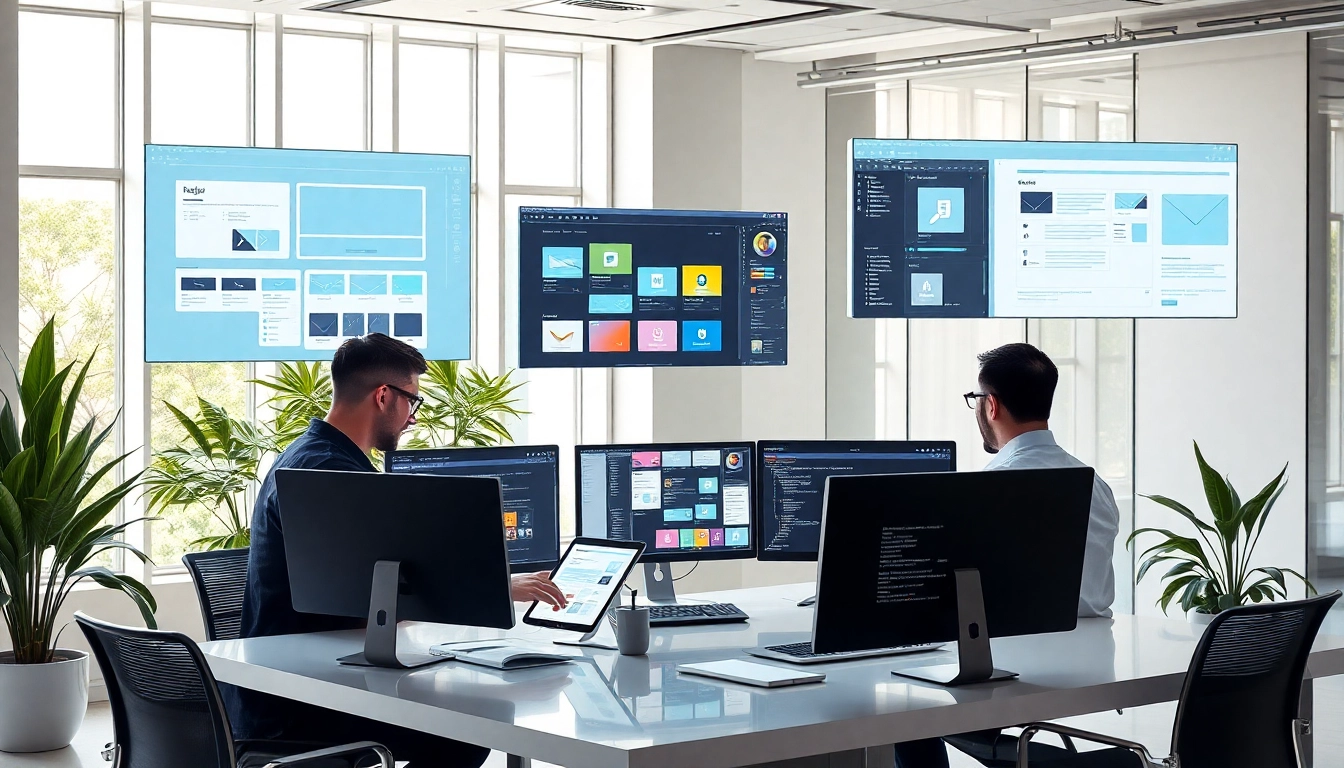
Elevate your site performance and user experience with strategic design projects for web development. Discover tools and tips that simplify execution and drive results.
Many business owners and developers think design is just “how something looks.” But in reality, design is also how something works. Especially in web development, smart design goes beyond aesthetics—it’s about creating user experiences that are intuitive, fast, and conversion-optimized.
Put yourself in your user’s shoes. When they land on your website, are they confused, overwhelmed, or underwhelmed? Smart design anticipates these emotional and cognitive reactions. From typography to navigation to accessibility, every decision a user faces should be logical and frictionless.
One of the most common struggles is the disconnect between developers and designers. A beautiful mockup may not be feasible to code effectively—or worse, responsive issues creep up post-launch. This misalignment leads to delays, bloated budgets, and subpar user experiences.
To avoid disjointed outcomes, integrate design thinking into every phase of web development. Prioritize user journeys in wireframes, collaborate continuously between design and development teams (or tools), and test visually before writing complex code. Smart design projects for web development succeed because they think holistically.
Smart design matters more than ever in web development because it aligns user intent with business goals through effective, empathetic design. Treat design not as a phase, but a philosophy that drives every smart project decision.
Smart design projects for web development require more than creativity—they demand efficiency, consistency, and collaboration. Whether you’re a solo freelancer or leading a dev team, the right tools can drastically streamline workflows and elevate your outcomes.
One of the biggest productivity killers is tool saturation—jumping between graphic editors, code repositories, and task boards. This disjointed approach leads to redundant tasks, miscommunication, and slower iterations.
Here’s a curated list of tools that integrate especially well across the typical web design lifecycle:
Modern design tools aren’t just about drawing—they’re about integration and automation:
With the right tools, smart design projects for web development can achieve faster turnarounds, fewer errors, and higher collaborative value. Invest time in setting up these platforms, and your future projects will thank you.
Even the most talented designers can’t work in isolation. Smart design projects for web development require seamless collaboration between stakeholders—clients, developers, marketers, and UX designers.
Have you ever sent a design update only to find that the developer built from an earlier version? Or feedback lost in endless comment chains? Collaboration fails when there’s no shared process or centralized communication.
Here are key best practices to make team collaboration more productive and creative:
Collaboration is supercharged with the right setups:
Smart collaboration on design projects for web development isn’t about more meetings—it’s about better alignment. By centralizing tools, syncing communication, and using shared frameworks, teams (even small ones) can deliver design that’s sleek, thoughtful, and effective.
When web design falls short, it’s often not because of bad intentions—but because of overlooked details. Even smart design projects for web development are vulnerable to repeated and costly mistakes.
One major error is designing disconnected from the user, the market, or the development team. Features get over-complicated, load speeds tank, or visual clutter overwhelms the user.
Prototype early. Test with 5 users. Gather feedback—then iterate. Waiting until after development to test design is expensive and inefficient.
By recognizing and preempting these pitfalls, smart design projects for web development stay on track, saving time, money, and user patience. Make mistake-prevention part of your planning process, not an afterthought.
Every solopreneur or growing digital agency hits the same bottleneck eventually: how do you scale smart design projects for web development without multiplying your workload or hiring a full team? The answer lies in the power of SaaS tools built specifically for design operations.
Your business takes on more projects, but suddenly turnarounds slow down, design quality drops, and you’re burning out trying to manage it all manually. Without scalable systems, design excellence starts to suffer.
Here’s how SaaS platforms can help scale design operations—without sacrificing quality:
SaaS solutions can also streamline project management for design output:
Smart SaaS tools don’t just add features—they reduce friction. If you’re serious about growing your portfolio or agency, these platforms are essential to scale smart design projects for web development smoothly, without scaling headaches.
Design isn’t just how your digital product looks—it’s how it leads. And the smartest design projects for web development do much more than look beautiful. They use precise tools, seamless collaboration, tried-and-tested practices, and scalable SaaS solutions to accomplish real business goals.
By focusing on user empathy, choosing the right tools, avoiding critical design mistakes, and leveraging automation to scale, solopreneurs, agencies, and growing businesses can deliver experiences that convert, retain, and impress. Remember, smart design isn’t harder—it’s just more intentional.
Your next web project deserves more than code snippets and stock templates. Let design guide it strategically. Because in an online world full of noise, smart design speaks the loudest.
